
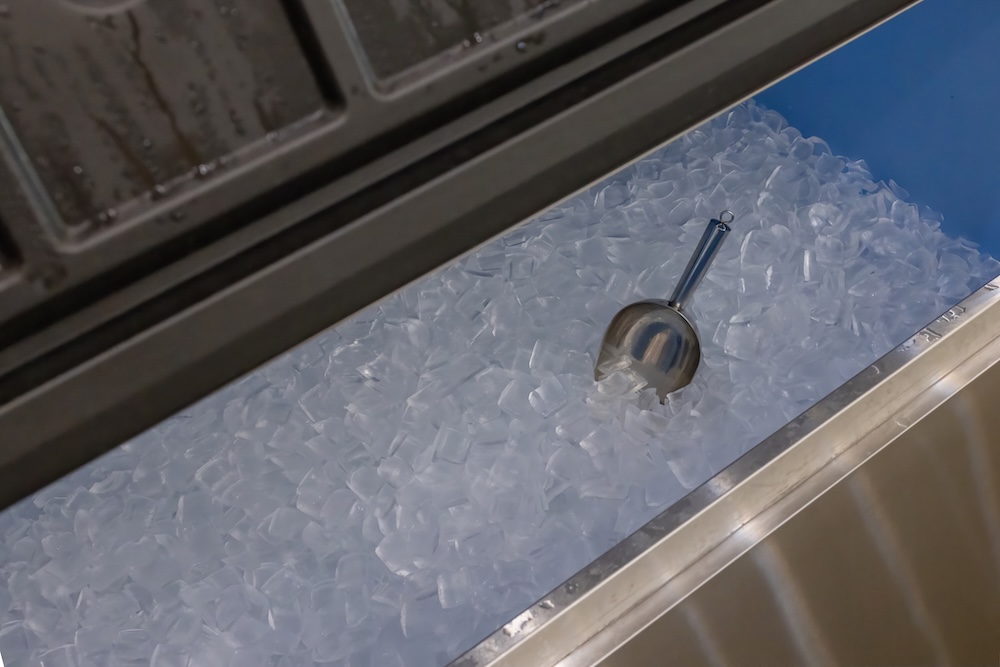
Most restaurants clean their ice machine when it starts looking bad. Pink slime on the bin, ice that smells off, something that just doesn’t seem right. By the time it’s visible, the machine’s already been growing that stuff for weeks.
Ice machines are warm, wet, and dark inside. That’s close to ideal conditions for mold and bacteria. A machine that isn’t cleaned on schedule isn’t an exception. It’s running on the normal timeline for what happens inside any ice maker that hasn’t been touched. If this is the case, call for a commercial ice machine repair immediately.
Pink Biofilm Signals Yeast and Mold Growth
That pink or orange film people see in ice bins is a yeast called Pantoea agglomerans that is sometimes mixed with mold. It’s not dangerous on its own or in small amounts most of the time, but it can spread fast once it starts breeding, and health inspectors treat it as a real violation.
Once the biofilm builds up on the interior surfaces, plain water and a wipe-down won’t be able to remove it. It has to be broken down with an actual descaling and sanitizing solution, then rinsed completely. If you skip a step then the film can regrow in just a few days.
Mineral Scale Reduces Ice Machine Efficiency
LA water has so much mineral content that scale builds up on the evaporator plates over time, even without any visible slime. Scale insulates the metal surfaces where the ice actually forms, which means that the machine has to run longer to make the same amount of ice.
A machine struggling with scale buildup can use up to 20% more energy to produce the same output. Ice production will slow down too. Operators usually notice this as “the machine can’t keep up anymore” months before they can connect it to a cleaning issue.
Ice Machines Need Cleaning Every 3 to 6 Months
NSF and most manufacturers recommend a full clean every 6 months for ice machines in normal conditions. Busy restaurant kitchens in Los Angeles, especially ones near the coast with higher humidity, often need it closer to every 3 to 4 months.
Filtered water helps ebcause filters can cut down scale and reduce some of what feeds bacterial growth, but they don’t replace the need for cleaning. A filter slows the clock, but it doesn’t stop it.
Cloudy Ice Signals Overdue Machine Cleaning
Cloudy or white ice can usually mean mineral buildup, not a sanitation issue by itself, but it’s usually a sign that the cleaning has been skipped for a while. Ice that tastes or smells off is a bigger flag, and so is ice that melts unusually fast, which can point to the scale interfering with the freeze cycle.
A slower ice production rate than the machine’s rated output is one of the clearest signs that something’s wrong inside. As well as any visible buildup anywhere in the bin, chute, or curtain.
Health Inspectors Check Cleaning Logs and Bin Condition
Health inspectors will look at the interior of the bin, the ice scoop storage, and whether the scoop ever touches the ice directly with bare hands. They will check the date of the last documented cleaning, which means restaurants without a cleaning log are already starting from a worse position even if the machine looks fine.
Many restaurants can get written up not because the machine was visibly dirty but because there was no record of showing when it was last serviced. Keep the log because it matters more than most people expect.
Proper Cleaning Requires Descaling and Sanitizing Steps
A real cleaning isn’t just wiping down the bin with a rag. The ice machine should get shut down, the bin emptied, and interior surfaces treated with a nickel-safe descaler to remove any mineral buildup, then a separate sanitizing solution to handle bacteria and mold. Both steps will need full rinse cycles before the machine will go back into service, and the water filter will usually get checked or replaced at the same time.
Doing this without draining and rinsing fully is worse than not cleaning at all in some cases, because leftover chemical residue ends up in the ice.
Technicians Handle Full Descale and Sanitize Service
Routine wipe-downs and filter checks are fine for staff to handle. A full descale and sanitize, especially on a machine that hasn’t been serviced in over 6 months, is worth bringing in a technician for. Heavy scale buildup can hide damage to internal components that a surface clean won’t reveal, and catching that early is a lot cheaper than replacing a compressor later.
Pacific Appliance Repair Services services ice machines for restaurants and commercial kitchens across Los Angeles. If it’s been more than 6 months since the last full cleaning, or the ice just doesn’t look right anymore, that’s worth a call before it turns into a health code problem.