
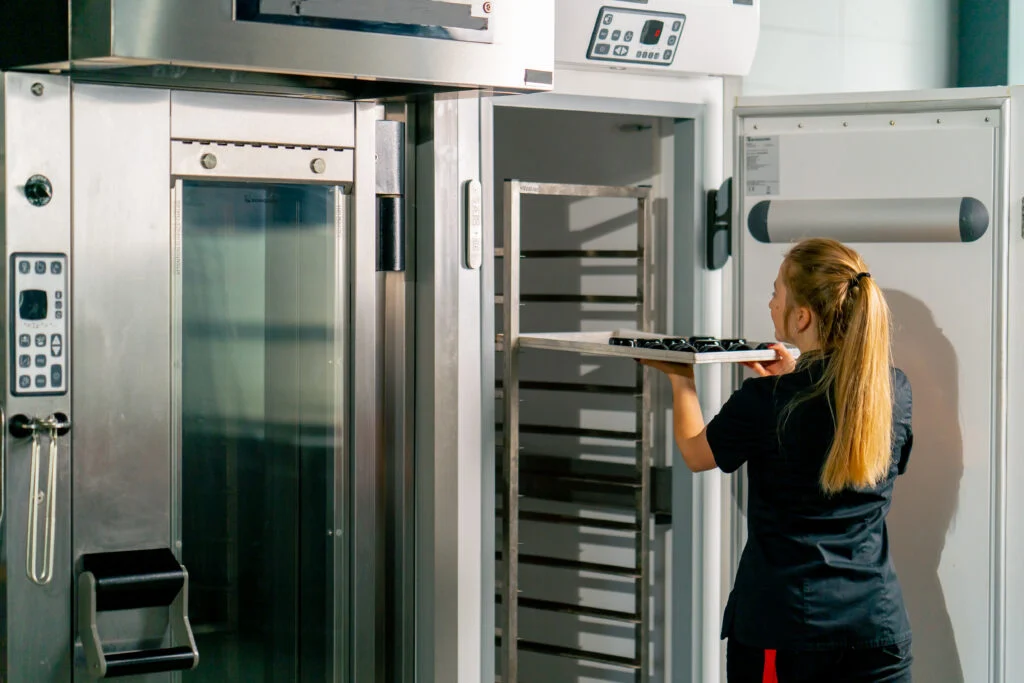
Running a restaurant means juggling a hundred things at once. And to be honest, your refrigeration system probably isn’t top of mind. That is, however, until it is. That moment usually comes at the worst possible time: a Saturday dinner rush, the morning before a big catering job, or somewhere in the middle of the night when nobody’s around to catch it early.
The tricky thing about commercial refrigeration problems is that they rarely announce themselves all at once. More often, they show up as small, easy-to-dismiss warning signs: more condensation than usual, a compressor that seems to run constantly, or a cooler that’s “just a couple degrees off.” Those little signs are your refrigeration system asking for help before it fails completely.
Knowing what to look and listen for can save you from a full-blown refrigeration emergency, a hefty food loss bill, and a health inspection nightmare. Here’s what restaurant operators need to know.
What Your Commercial Refrigerator Is Trying to Tell You
Commercial refrigeration units are built tough, but they’re not invincible. Like any hardworking equipment in a busy kitchen, they wear down over time, especially when maintenance gets skipped or deferred. The good news is that most units give you plenty of warning before they fail completely. The bad news is that it’s easy to miss those warnings when you’re slammed during service.
Below are the most common signs that your restaurant’s refrigeration system needs attention. Some of these issues call for immediate commercial refrigeration repair Los Angeles, so it’s important to be prepared.
Warning Signs Your Refrigeration System Needs Immediate Attention
Temperature That Won’t Stay Consistent
This is the big one. If your walk-in cooler or reach-in refrigerator is fluctuating in temperature, that’s a red flag that something is wrong. Safe food storage requires consistent, reliable temperatures. A unit that’s “close enough” isn’t good enough when you’re talking about food safety and health code compliance.
Temperature inconsistency can point to refrigerant issues, a failing compressor, a malfunctioning thermostat, or a problem with the evaporator. Any of these warrant a call for refrigeration repair sooner rather than later.
Unusual Noises or Vibrations Coming from the Unit
Commercial refrigerators aren’t silent, but they have a normal operating sound you’ve probably tuned out by now. If you’re suddenly hearing loud banging, clicking, rattling, buzzing, or a compressor that cycles on and off constantly, pay attention. These sounds often indicate a mechanical problem, such as a worn fan motor, a failing compressor, or a component that’s working too hard to compensate for something else that’s wrong.
Excessive Frost or Ice Buildup
A little frost isn’t unusual, but if you’re seeing heavy ice buildup on the evaporator coils or inside the unit, something’s off. Excessive frost is usually a sign of a defrost system failure, a refrigerant problem, or airflow issues. Left unaddressed, it gets worse fast and forces the unit to work harder. In turn, this accelerates wear and tear on every other component.
Water Pooling Around or Inside the Unit
Water on the floor near your refrigeration unit is another symptom (and a fall hazard, too). It can indicate a blocked or frozen drain line, a door seal that’s failing and allowing warm humid air in, or a defrost system that’s not draining properly. Beyond the equipment issue, standing water in a kitchen is a health code concern and a liability. Don’t mop it up and move on—find out why it’s there.
Your Energy Bills Are Creeping Up
This one catches a lot of operators off guard. A refrigeration unit that’s struggling from dirty condenser coils, a refrigerant leak, or failing components uses significantly more energy to maintain temperature. If your utility bills have been climbing without an obvious reason, your refrigeration equipment could be the culprit. It’s worth having a technician take a look.
Visible Damage to Door Gaskets or Seals
The door seals on your refrigeration unit do a lot of invisible work. When they crack, warp, or pull away from the door frame, warm air infiltrates the unit constantly. This forces the compressor to compensate and allows moisture that causes frost buildup. Check your gaskets regularly. If you can slide a piece of paper in and out of a closed door without resistance, the seal isn’t doing its job.
Unexplained Temperature Fluctuations Inside the Unit
Sometimes there’s no dramatic noise or visible ice, but the unit is warmer than it should be and you can’t pinpoint why. This is often a refrigerant issue. Refrigerant doesn’t “run out” on its own. If levels are low, there’s a leak somewhere. This requires a certified technician with the right equipment to diagnose and address safely. Don’t ignore a warm unit, even if everything else seems fine.
Quick Symptom Checklist: Does Your Restaurant Need Emergency Refrigeration Repair?
Run through this list right now. If you’re checking more than one or two of these boxes, it’s time to start your search for “refrigeration repair near me.”
- The unit is not holding a consistent temperature
- You’re hearing unusual noises: banging, clicking, buzzing, or constant cycling
- There is heavy frost or ice buildup inside the unit or on the coils
- Water is pooling on the floor around or inside the refrigerator
- Your energy bills have increased without a clear explanation
- Door gaskets or seals are visibly cracked, warped, or not sealing properly
- The unit is running warm and you can’t identify why
- Food is spoiling faster than it should
- The compressor feels excessively hot to the touch
- The unit hasn’t had a professional maintenance check in over 12 months
When Your Refrigerator Needs Emergency Repair Right Now
Some symptoms are serious enough that they require an immediate call, even if it’s after hours. If your unit has stopped cooling entirely, if temperatures have climbed above 40°F and won’t come back down, or if you’re seeing or smelling signs of a refrigerant leak (an oily residue near the unit, a faint chemical smell), don’t wait until morning. The food safety risk alone justifies an emergency call, and the cost of spoiled inventory will far outweigh the cost of after-hours refrigeration repair.
At Pacific Appliance Repair, we understand that restaurants don’t operate on a 9-to-5 schedule. Our technicians are experienced in emergency refrigeration repair for commercial kitchens of all sizes, and we show up ready to diagnose and fix the problem, not just put a bandage on it.
Don’t Wait for a Crisis to Think About Maintenance
Here’s the honest truth: most emergency refrigeration repair calls we respond to were preventable. Dirty condenser coils, worn door gaskets, and low refrigerant are all things that a routine maintenance visit catches before they cascade into a full breakdown. We always recommend that restaurant operators schedule professional refrigeration maintenance at least twice a year and once a quarter for high-volume kitchens.
Between visits, keep an eye on the warning signs above and train your kitchen staff to report anything unusual they notice about the refrigeration units. Your team is in that kitchen every day, so they’re often the first to notice something’s off. Create a culture where reporting a weird noise or a temperature reading that seems high is encouraged, not ignored.
Pacific Appliance Repair Responds to Emergency Refrigeration Calls Across Los Angeles
Pacific Appliance Repair specializes in commercial refrigeration repair for restaurants, hotels, grocery stores, and food service businesses throughout the region. Whether you’re dealing with an active emergency or you’ve just run through that checklist and don’t love what you’re seeing, we’re the team to call.
Our technicians know commercial refrigeration inside and out, and we stock the parts to back that up. Fast diagnosis, honest recommendations, and repairs that actually hold. That’s what we’re here for.
Looking for refrigeration repair near me? Contact Pacific Appliance Repair today at 213-234-2822 and let’s get ahead of the problem before it becomes a crisis.