
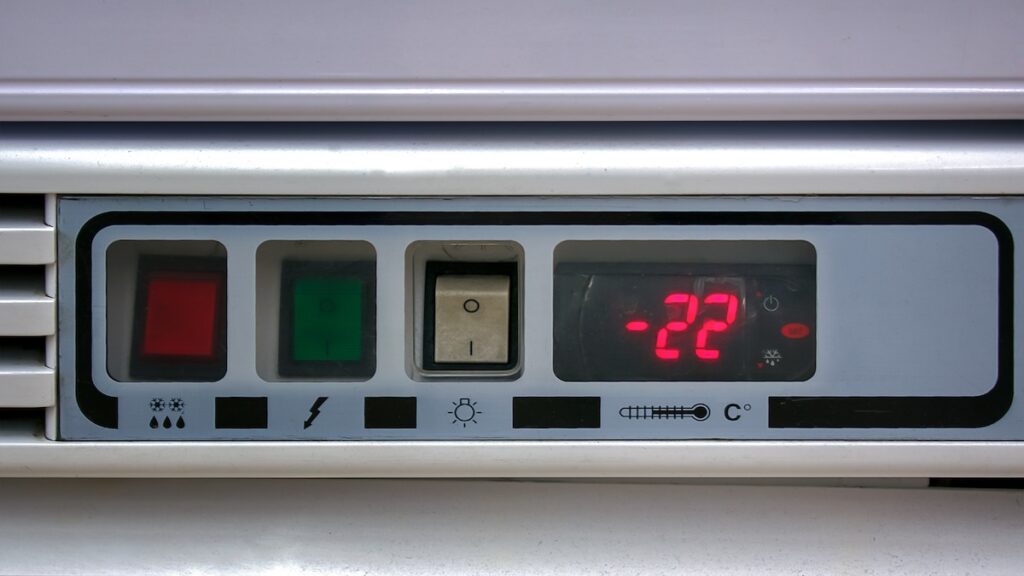
It’s 10 PM. Your closing manager does a final walk-through and notices that the commercial freezer is warm. The compressor is quiet. The thermometer is climbing. And you’ve got hundreds, maybe thousands of dollars worth of food hanging in the balance.
If you’ve ever been through this, you know there’s a very specific kind of panic that comes with it. It’s not just the cost of the food. It’s the loss of a day’s prep work. It’s the health code compliance anxiety. It’s the scramble to figure out what to do when your usual contacts aren’t picking up because it’s the middle of the night.
Take a breath. Reliable commercial freezer repair Los Angeles is available through Pacific Appliance Repair Services. However, there are still steps you can take to minimize your losses, protect your business, and ensure you get the right help as fast as possible.
Don’t Panic, But Be Ready to Act
Time is genuinely your most valuable resource in this situation. USDA guidelines are clear: food that climbs above 40°F for more than two hours enters the danger zone for bacterial growth. For a commercial freezer that’s stopped working, you’re looking at a window of roughly four to six hours before a fully stocked unit starts to thaw significantly. If it’s not packed tightly, it could be even less.
That said, panicking leads to poor decisions. Your first job is to assess the situation calmly and quickly, then follow a logical sequence of steps. Every minute counts, but a clear head is going to serve you a lot better than a frantic one.
Step 1: Check for Simple Causes First
Before you spiral into worst-case scenarios, take two minutes to rule out the simple stuff. It sounds basic, but you’d be surprised how often an after-hours freezer emergency turns out to be something straightforward:
- Check the power supply first. Is the unit plugged in? Has the circuit breaker tripped? Find the breaker panel and reset anything that looks off.
- Check the internal temperature by checking the thermostat. It’s possible it was accidentally bumped to a warmer setting. This is a quick fix if that’s the culprit.
- Take a look at the condenser coils if you can safely access them. If they’re completely caked with dust and debris, airflow restriction could have caused the unit to overheat and shut itself down.
- Check the door seals for problems. A commercial freezer door that isn’t closing properly loses cold air constantly and can trigger a temperature failure even when the unit itself is fine.
If any of these quick checks solve the problem, then great! But don’t stop there. Document what happened and call a repair service for a professional inspection regardless. A freezer that tripped a breaker once is often trying to tell you something bigger.
Step 2: Protect Your Inventory if Your Refrigerator Loses Power
Get two things happening simultaneously: one person making phone calls, another person working on your food. Time lost here is inventory lost when your freezer loses power or you have refrigeration issues.
Keep the freezer door closed as much as humanly possible. This is one of those moments where opening it “just to check” costs you precious cold air and precious time. A fully stocked, well-sealed commercial freezer can hold safe temperatures for four to six hours with the door shut. An empty or half-full one, significantly less.
Start identifying your highest-value and most perishable items, which are often proteins, dairy, and prepped foods. If you have a backup freezer on-site or at a nearby location, begin moving those items first. If you don’t, start making calls. A neighboring restaurant, hotel kitchen, or even a 24-hour grocery store may be willing to let you use their space in an emergency. It’s an awkward call to make, but most people in the food service industry understand this situation.
If you can source dry ice or block ice quickly, packing it into the freezer can buy you a few additional hours of safe temperature while you wait for your technician to arrive. Finally, document everything: photos, timestamps, temperature readings, and inventory contents. Your phone is your best friend here. This documentation matters more than you think when it comes time to file an insurance claim.
Step 3: Contact Professionals for Emergency Freezer Repair
Here’s where a lot of businesses make a costly mistake. In a panic, they search for “emergency repair services near me,” call the first number that comes up, and end up with a technician who isn’t experienced with commercial refrigeration systems. Hours pass. The problem doesn’t get fixed on the first visit. A compressor, condenser or evaporator, has to be ordered. Now you’re down for two days instead of one.
Commercial freezer repair is a specialty. The compressors, refrigerant systems, electronic controls, and components inside a commercial walk-in or reach-in freezer are fundamentally different from a residential unit. You need someone who works with commercial appliances every single day, someone who arrives with the right diagnostic tools, understands the urgency of your situation, and carries commonly needed parts on their service vehicle.
When you call, ask these questions upfront:
- Do you specialize in commercial refrigeration repair?
- Do you offer after-hours emergency service?
- What’s your estimated arrival time?
- Do your technicians carry replacement parts for a commercial freezer system on their vehicles?
That last question is more important than most people realize. A technician who has to order parts after diagnosing the problem means your freezer is down for another day at minimum. A well-prepared commercial appliance repair team can often resolve the most common failures in a single visit.
So, when you’re searching for freezer repair near me at 11 PM, not every result is going to be a good fit for a commercial emergency. Look specifically for a professional company like Pacific Appliance Repair Services that mention commercial appliance repair and after-hours availability.
Step 4: Know When to Start Throwing Away Food
This is one of the hardest parts of the whole situation, because throwing away food hurts, both financially and emotionally. But serving unsafe food is a far more serious problem. A health code violation, a food borne illness incident, or a liability claim will cost you infinitely more than a freezer full of protein.
The general rule: food that has been above 40°F for more than two hours should be considered unsafe. Frozen items that still have ice crystals throughout can typically be safely refrozen. Items that have fully thawed and risen to refrigerator temperature (above 40°F) need to be carefully evaluated by type. When there’s any doubt at all, the right call is to discard.
If you’re unsure, contact your local health department. They can give you guidance specific to your food types and situation. Also call your insurance provider. Many commercial property and business interruption policies include coverage for food spoilage losses, and your photos and temperature documentation will support that claim directly.
Step 5: After the Repair
Once your technician has resolved the issue and your freezer is back up and running, there’s a temptation to breathe a sigh of relief and get back to business as usual. Resist it. An after-hours freezer failure is almost always a warning, and taking it seriously now is a lot less painful than dealing with another emergency three months from now.
Ask your technician for a written service report that explains exactly what failed and why. Ask them to do a full assessment of any other components showing wear. And ask about a preventive maintenance schedule. Most commercial freezer failures are predictable and preventable with routine inspections. Dirty condenser coils, worn door gaskets, and refrigerant levels that are slightly low are all things a trained technician can catch early.
It’s also worth considering building a simple after-hours emergency plan that every manager in your facility has access to. It should include your commercial appliance repair company’s direct number, your insurance provider’s claims line, your local health department contact, and a short list of nearby businesses that might offer temporary freezer space in a crisis. Having that information ready in advance removes a significant layer of stress from an already stressful situation.
Pacific Appliance Repair Specializes in After-Hours Commercial Freezer Emergencies
When your commercial freezer goes down after hours, you don’t need someone who kind of knows refrigeration. You need a team that does commercial appliance repair every day, understands food service urgency, and comes prepared to fix the problem.
At Pacific Appliance Repair, emergency freezer repair is exactly the kind of call we’re built for. Our technicians are experienced with commercial refrigeration systems across a wide range of makes and models, and they arrive equipped to handle the most common failures on the spot. We know that every hour your freezer is down puts your inventory, your health code standing, and your bottom line at risk. That’s not something we take lightly.
Whether you need emergency freezer repair tonight or you want to set up a preventive maintenance plan so this never catches you off guard again, Pacific Appliance Repair is ready to help. Contact us today at 213-234-2821 for fast, expert commercial freezer repairs from a team that specializes in brand name and emergency commercial appliances. We’re here when it matters most.